
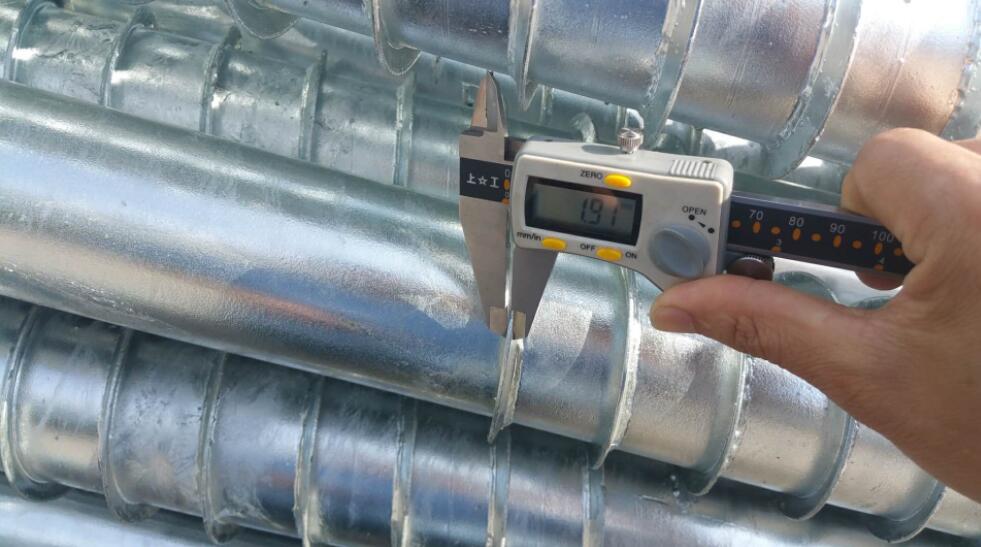
A Small Thickness Difference Can Create a Big Risk
When purchasing solar mounting structures, drawings and technical specifications are often taken at face value. However, one critical detail is frequently overlooked during procurement and inspection: manufacturing tolerance, especially material thickness.
At first glance, a difference of a few tenths of a millimeter may seem insignificant. In reality, it can directly affect structural strength, project lifespan, and long-term safety.
The Common Situation: 3.0 mm on Drawings, 2.75 mm in Reality
In many projects, the approved drawing clearly specifies a material thickness of 3.0 mm.
But during actual production, some suppliers may manufacture parts using 2.75 mm, or even thinner material, without clearly informing the customer.
This usually happens because:
- Steel thickness tolerance is loosely controlled
- Suppliers follow “commercial tolerance” instead of drawing requirements
- Cost pressure leads to silent material downgrading
From the outside, the product may look identical. Without proper measurement, the difference is almost impossible to detect visually.
Why This Matters More Than You Think
A reduction from 3.0 mm to 2.75 mm is not just a cosmetic change.
It can result in:
- Reduced load-bearing capacity
- Lower wind and snow resistance
- Higher deformation risk over time
- Shorter service life of the structure
For ground-mounted systems, carports, or large rooftop installations, this difference may directly impact structural calculations and certification compliance.
What Customers Should Confirm Before Production
To avoid misunderstandings and potential risks, we strongly recommend customers confirm the following points with their suppliers before mass production:
1.Actual production thickness
Ask clearly: “What is the minimum guaranteed thickness after production?”
2.Tolerance range
Confirm whether the thickness follows:
- Nominal thickness
- Minus tolerance
- Or an agreed minimum value (e.g. ≥2.90 mm)
3.Material standards
Specify applicable standards (EN, ASTM, JIS, etc.) and how thickness tolerance is defined within them.
What to Check During Inspection
During pre-shipment inspection or incoming quality control, thickness should never be ignored.
Key recommendations:
- Measure thickness at multiple points, not just one
- Avoid edge-only measurements; check flat areas
- Record the minimum measured value, not the average
- Compare results with the agreed tolerance, not only the drawing title
A simple caliper check can prevent expensive problems later.
Transparency Builds Long-Term Trust
A reliable solar mounting supplier should be transparent about:
- What is shown on the drawing
- What is produced in reality
- What tolerance is applied and why
Clear communication on tolerances protects both sides and ensures the structure performs exactly as designed — for 20, 25, or even 30 years.
Final Thoughts
In solar projects, safety and durability are never defined by drawings alone.
They are defined by what is actually delivered to site.
Paying attention to material thickness tolerance is a small step — but it can make a very big difference.
If you would like to discuss thickness standards, tolerances, or inspection methods for solar mounting structures, feel free to contact us. We believe transparency is the foundation of long-term cooperation.